Tiny, Dangerous, and Everywhere: What New Haven Pet Owners Must Know About Ticks This Season
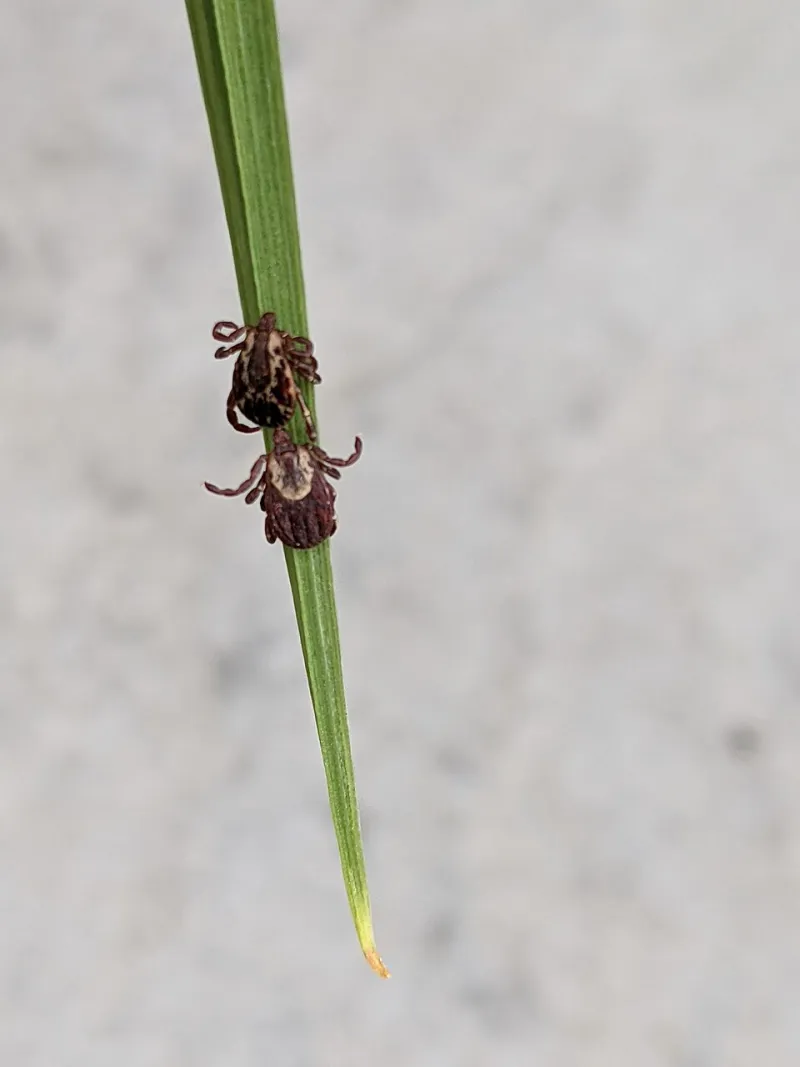
Photo: U.S. Fish and Wildlife Service - Midwest Region, Public domain, via Wikimedia Commons
Connecticut has one of the highest rates of Lyme disease in the entire country — and that's not a statistic that stays on the human side of the equation. Your dog, your outdoor cat, even the rabbit who gets supervised yard time is at risk every time they step into grass, brush, or leaf litter. New Haven's landscape — all those beautiful green spaces, the trails around West Rock Ridge, the wooded edges of parks and backyards — is genuinely gorgeous. It's also tick paradise.
The good news is that knowledge and consistent prevention go a long way. Let's break down what you're actually dealing with.
Which Ticks Are We Talking About?
Not all ticks are the same, and knowing your enemy matters.
The blacklegged tick (also called the deer tick) is the big one in our area. This is the species responsible for Lyme disease, anaplasmosis, and babesiosis — three serious illnesses we'll cover in a moment. Adult deer ticks are roughly the size of a sesame seed, and the nymphs are even smaller, closer to a poppy seed. They're genuinely easy to miss, especially on a thick-coated dog.
The American dog tick is larger and more visible, which sounds like a relief until you realize it carries Rocky Mountain spotted fever and tularemia. It's most active in spring and early summer.
The lone star tick has been expanding its range northward and is now showing up in Connecticut with more frequency. It's associated with ehrlichiosis and can cause a red meat allergy in humans — though its full impact on pets is still being studied.
The Diseases That Should Actually Worry You
Lyme disease is caused by the bacterium Borrelia burgdorferi and transmitted primarily by deer ticks. In dogs, symptoms include shifting leg lameness, joint swelling, fever, lethargy, and decreased appetite. Unlike humans, dogs rarely develop the classic bullseye rash, which makes it harder to catch early. Left untreated, Lyme can progress to a serious kidney condition called Lyme nephritis — and that can be fatal.
Anaplasmosis comes in two forms: one affects white blood cells, the other platelets. Dogs with anaplasmosis often show symptoms within one to two weeks of a bite — think fever, joint pain, vomiting, and in severe cases, seizures or bleeding disorders. It's more common than many owners realize.
Babesiosis attacks red blood cells and can cause anemia, weakness, pale gums, and dark-colored urine. It's less common than Lyme but considerably more dangerous, and treatment is more complicated.
When Is the Risk Highest in New Haven?
Here's where local context really matters. Many people assume ticks are a summer problem, but in Connecticut, the risk window is longer than most people expect.
- March through May: Nymphal deer ticks begin emerging as temperatures creep above freezing. Nymphs are responsible for a disproportionate number of Lyme transmissions because they're so tiny.
- June through August: Peak activity for multiple tick species. Adult American dog ticks are also highly active through early summer.
- September through November: Adult deer ticks become active again in the fall. Many owners let their guard down after summer, but this is a genuinely risky period.
- December through February: Risk drops significantly but doesn't disappear entirely. Ticks can remain active on days when temperatures climb above 35°F — which happens in New Haven winters more often than you'd think.
Bottom line: year-round prevention is smarter than seasonal prevention in this region.
Prevention Beyond the Basics
Yes, you should be using a veterinarian-recommended tick preventive. Topical treatments, oral medications, and tick collars all have their place, and our team at New Haven Animal Care can help you figure out which option fits your pet's lifestyle and health history best.
But prevention doesn't stop there.
Landscape management helps more than people realize. Keep grass trimmed, clear leaf litter from yard edges, and consider a wood chip or gravel border between lawn and wooded areas — ticks don't love crossing dry, open surfaces.
Trail smarts make a difference too. Stick to the center of trails when hiking, avoid letting your dog crash through dense brush, and do a thorough tick check as soon as you get home — on both of you.
The Lyme vaccine is available for dogs and is worth a serious conversation if your pet spends significant time outdoors. It's not a replacement for tick prevention, but it adds a meaningful layer of protection.
How to Remove a Tick the Right Way
If you find a tick on your pet, don't panic — and definitely don't reach for petroleum jelly, a match, or nail polish remover. Those old remedies can actually increase the risk of disease transmission.
Here's what to do:
- Use fine-tipped tweezers or a dedicated tick removal tool.
- Grasp the tick as close to the skin as possible.
- Pull upward with steady, even pressure — no twisting or jerking.
- Clean the bite area with rubbing alcohol or soap and water.
- Dispose of the tick by putting it in alcohol, placing it in a sealed bag, or flushing it.
Note the date you found the tick. If you can save the tick in a sealed container, that can be helpful for your vet.
When to Call the Vet
A single tick doesn't automatically mean your pet will get sick — disease transmission typically requires a tick to be attached for 24 to 48 hours. But you should contact us if:
- Your pet develops a fever, limping, or unusual fatigue within a few weeks of a known tick exposure
- You notice pale gums, which can signal anemia from babesiosis
- Your pet stops eating or seems unusually lethargic
- You're unsure how long the tick was attached
Annual testing for tick-borne diseases is also a smart move for any dog with regular outdoor exposure. Many of these illnesses are very treatable when caught early — the challenge is that symptoms can be subtle and easy to attribute to other causes.
Ticks are a fact of life in New Haven. But with the right prevention habits and a vet team you can call when something seems off, they don't have to become a crisis.