Vet Bills Without the Panic: Building a Financial Safety Net for Your Pet's Emergencies
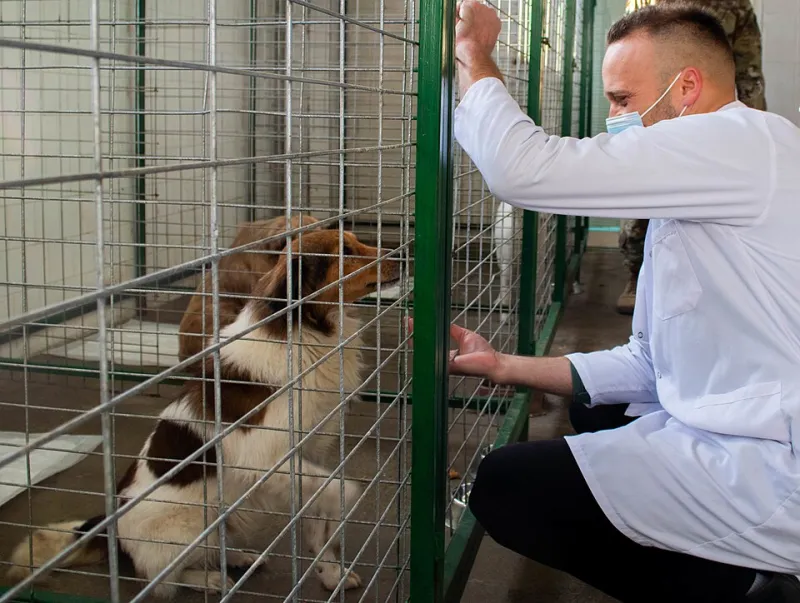
Photo: U.S. Army National Guard photo by Sgt. Jonathan Perdelwitz, Public domain, via Wikimedia Commons
Let's be honest about something that doesn't get discussed enough in pet ownership conversations: veterinary emergencies are expensive, they happen without warning, and the emotional pressure of loving an animal while staring at a large estimate is one of the most stressful experiences a pet owner can face.
This isn't a piece designed to scare you. It's the opposite — a practical roadmap for getting ahead of the financial side of pet ownership so that if (when) something goes wrong, you're making decisions based on what's best for your animal, not purely on what you can afford in that moment.
What Emergencies Actually Cost: Real Numbers
Before you can plan, you need a realistic sense of what you're planning for. Emergency veterinary costs vary by region, severity, and facility, but here are some ballpark figures based on common emergency presentations:
- Foreign body ingestion (requiring surgery): $1,500 – $5,000+
- Bloat/GDV (gastric dilatation-volvulus) in dogs: $3,000 – $7,500
- Broken bone repair: $1,500 – $4,000 depending on complexity
- Urinary blockage in cats: $1,000 – $3,000
- Toxin ingestion requiring hospitalization: $500 – $3,000+
- Severe allergic reaction: $500 – $1,500
- Diabetic crisis or seizure management: $1,000 – $3,000
- Cancer diagnosis and initial treatment: $3,000 – $15,000+
These aren't worst-case outliers. They're the kinds of situations that walk through emergency clinic doors every week. In the New Haven area, where the cost of living runs higher than the national average, the upper ranges of these estimates are more typical than the lower ones.
Pet Insurance: Worth It, But Read the Fine Print
Pet insurance is the most talked-about financial tool in this space, and for good reason — when it works, it genuinely works. But it's not a simple plug-and-play solution.
The basics: Most pet insurance plans are reimbursement-based, meaning you pay the vet upfront and submit a claim afterward. Plans typically cover accidents and illnesses, with optional add-ons for wellness and preventive care. Monthly premiums vary widely based on your pet's species, breed, age, and the coverage level you choose.
What to watch for:
- Pre-existing conditions are almost universally excluded. This is why enrolling a young, healthy pet before problems develop is so much more valuable than waiting until something shows up.
- Breed-specific exclusions matter. Certain breeds have known predispositions — hip dysplasia in large dogs, for example — and some insurers exclude those conditions entirely.
- Annual versus lifetime limits can significantly affect how useful a policy is if your pet develops a chronic condition.
- Reimbursement percentages typically range from 70% to 90%, and your deductible structure (annual vs. per-incident) affects your real out-of-pocket costs considerably.
For New Haven pet owners, some well-regarded options to compare include Trupanion, Healthy Paws, Figo, and ASPCA Pet Health Insurance. Use a comparison tool and actually read the sample policy documents before committing — the details matter enormously.
The honest reality: If your pet is already older or has existing health conditions, insurance may be expensive or limited. That doesn't mean it's not worth exploring, but it does mean the next strategies become even more important.
The Emergency Fund Approach
Financial advisors who work with pet owners often recommend maintaining a dedicated pet emergency fund separate from your general savings. The target number most commonly cited is $1,000 to $3,000 — enough to cover a moderate emergency without hitting crisis mode.
Building it doesn't have to be overwhelming. Even setting aside $25 to $50 a month in a dedicated savings account gets you to $600 in a year. A high-yield savings account keeps the money accessible while earning a little interest in the meantime.
If you have multiple pets, consider scaling up accordingly. Two dogs and a cat represent meaningfully more risk exposure than a single pet.
Payment Plans and Financing Options
If an emergency hits before your safety net is fully built, there are options worth knowing about before you're sitting in a waiting room at midnight:
CareCredit is a healthcare credit card accepted at many veterinary practices, including emergency clinics. It often offers promotional deferred-interest periods (typically six to twelve months), which can make a large bill manageable if you can pay it off within that window. Be careful: if the balance isn't paid in full before the promotional period ends, the deferred interest hits all at once.
Scratchpay is another financing option that's become popular in veterinary settings. It offers straightforward installment plans without deferred interest surprises and is worth checking if CareCredit isn't a fit.
Ask your vet directly. Many practices — including those here at New Haven Animal Care — understand that cost is a real factor and are willing to work with clients on payment arrangements. It's not a comfortable conversation to start, but it's a far better option than not seeking care at all. You won't be judged for asking.
Local Resources for New Haven Pet Owners Facing Hardship
Financial hardship and pet ownership aren't mutually exclusive, and there are organizations that exist specifically to help:
- The Pet Fund provides financial assistance for companion animals needing non-basic, non-emergency veterinary care, including cancer treatment and cardiac conditions.
- RedRover Relief offers financial assistance for urgent veterinary care, with a focus on situations where the pet's life is at risk.
- Brown Dog Foundation focuses on helping middle-income families cover the cost of life-saving pet care.
- Local humane societies and rescue organizations in the New Haven area sometimes have hardship funds or can connect owners with resources — it's always worth a phone call.
These programs have limited funds and specific eligibility criteria, but they're real options that have helped real families keep their pets alive.
The Conversation Nobody Wants to Have
Sometimes, despite every effort, the financial math doesn't work out. And that's a reality that deserves acknowledgment without shame.
Veterinarians and their teams are not here to judge you. The hardest conversations in this profession — about what's possible versus what's affordable — happen every single day, and the people sitting across from those estimates are not bad pet owners. They're people who love their animals and are doing the best they can with what they have.
If you find yourself in that position, talk openly with your vet. Ask about all available options, including palliative care, staged treatment, or humane end-of-life decisions when appropriate. There is no perfect answer, but there are always options worth discussing.
The best thing you can do for your pet right now — today, before anything goes wrong — is take one concrete step toward financial preparedness. Open that savings account. Get an insurance quote. Program the number for a local emergency clinic into your phone. Small steps taken in calm moments make a real difference when everything feels urgent and frightening.
Your pet is worth the planning. And so is your peace of mind.