Hidden Dangers at Home: The Household Toxins Most Likely to Harm Your New Haven Pet
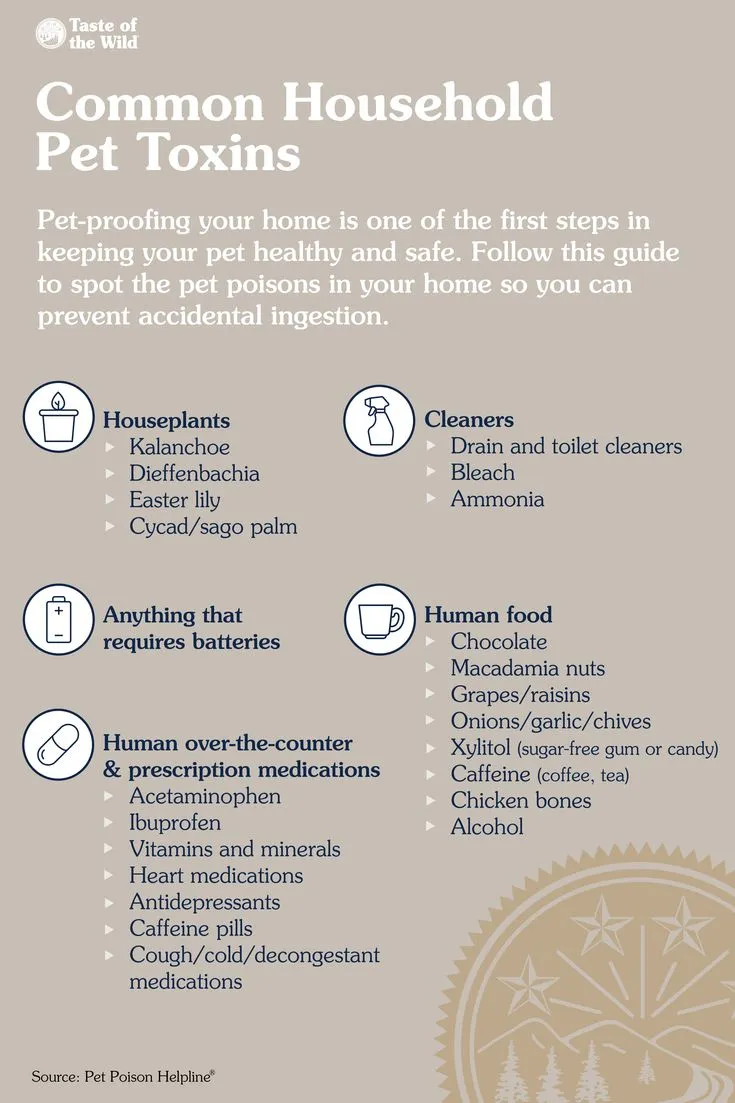
Photo: household items dangerous to pets dog cat kitchen warning, via i.pinimg.com
Most of us don't think twice about the stuff sitting on our kitchen counters or tucked under the bathroom sink. But for a curious dog or an adventurous cat, the average New Haven home is practically a minefield. Pets explore with their noses and mouths, they can't read warning labels, and their bodies process many common substances very differently than ours do.
Every year, the ASPCA Animal Poison Control Center handles hundreds of thousands of calls — and the majority involve items that owners never suspected were dangerous. Here's what you need to know before an emergency happens.
1. Xylitol: The Sweetener That's Deadly to Dogs
Xylitol is a sugar substitute found in sugar-free gum, some peanut butters, certain vitamins, toothpaste, and an expanding list of "health" food products. For humans, it's harmless. For dogs, even small amounts can trigger a dangerous drop in blood sugar (hypoglycemia) and, in higher doses, acute liver failure.
Always check ingredient labels before sharing any human food with your dog. This one catches people off guard constantly — especially with peanut butter, which many owners use as a treat vehicle.
2. Grapes and Raisins
The exact toxic compound in grapes and raisins still hasn't been identified, which makes this one especially tricky. What we do know: even small amounts can cause sudden kidney failure in dogs. Some dogs eat a grape and seem fine; others develop serious illness from just a few. Because there's no established "safe" dose, the answer is always zero.
Raisins in baked goods — trail mix, oatmeal cookies, holiday breads — are a particular hazard around the holiday season.
3. Rodenticides: A Bigger Risk in Urban Areas
This one is especially relevant for New Haven residents. Urban environments mean more rodent pressure, and more rodent pressure means more bait traps — in buildings, alleys, and sometimes in shared outdoor spaces you might not even be aware of.
Rat poison doesn't just kill rats. It's highly toxic to dogs and cats, and because some formulas are designed to taste appealing, pets will seek them out. There are several different types of rodenticide, and they cause different kinds of harm — some affect blood clotting, others cause brain swelling or kidney damage. If you suspect exposure, don't wait for symptoms. Get to an emergency vet immediately.
4. Common Houseplants
New Haven's plant shops are full of gorgeous greenery — and unfortunately, some of the most popular houseplants are toxic to pets. The list includes:
- Lilies (especially dangerous for cats — even small amounts can cause kidney failure)
- Pothos and philodendron (cause mouth and throat irritation)
- Sago palm (extremely toxic to both dogs and cats; can cause liver failure)
- Aloe vera (mildly toxic to dogs and cats despite its reputation as a wellness plant)
- Peace lily (toxic to both species)
Before you bring a new plant home, take thirty seconds to look it up on the ASPCA's toxic plant database. It's free, searchable, and could save your pet's life.
5. Human Medications
Over-the-counter pain relievers are among the most common causes of pet poisoning in the US. Ibuprofen and acetaminophen (Tylenol) are both toxic to dogs and cats. Acetaminophen is particularly devastating for cats, who lack the liver enzyme needed to process it.
Prescription medications left on counters or dropped on the floor are also a serious hazard. ADHD medications, antidepressants, and sleep aids can all cause severe reactions in pets. Keep all medications — including vitamins and supplements — in closed cabinets that your pet can't access.
6. Cleaning Products
Household cleaners, disinfectant sprays, and toilet bowl treatments contain chemicals that can irritate or damage a pet's respiratory tract, skin, and digestive system. Some products are more dangerous than others — concentrated bleach and phenol-based cleaners (often found in certain floor cleaners) are particularly hazardous to cats.
After cleaning floors or surfaces, allow them to dry completely before letting pets back into the area. Store all cleaning products in secured cabinets.
7. Caffeine and Alcohol
Coffee grounds, tea bags, energy drinks, and alcohol might seem like obvious "don't share with pets" items, but accidents happen — especially at gatherings. Caffeine toxicity in dogs causes restlessness, rapid breathing, muscle tremors, and seizures. Alcohol affects pets much more rapidly than it affects humans, even in small amounts. Keep drinks covered and coffee waste secured.
8. Certain Outdoor and Garden Products
If you have a yard or garden in New Haven, pay attention to what you're putting down. Cocoa mulch — popular because it smells pleasant and is marketed as a natural product — contains theobromine, the same compound that makes chocolate toxic to dogs. Fertilizers, herbicides, and insecticides can all cause illness if ingested or walked through and then licked off paws.
Neighborhood sidewalk treatments in winter (ice melt and salt) are also worth noting — they irritate paws and can cause GI upset if licked. Wipe your dog's paws after winter walks as a standard habit.
9. Essential Oils
The wellness trend around essential oil diffusers has created a new category of pet hazard. Many essential oils — including tea tree, eucalyptus, peppermint, and citrus oils — are toxic to cats and, in concentrated form, to dogs as well. Cats are especially vulnerable because they groom themselves constantly and can ingest oils that settle on their fur.
If you use a diffuser, make sure your cat has the ability to leave the room. Never apply essential oils directly to your pet's skin or coat without explicit veterinary guidance.
10. Batteries and Coins
This one surprises people. Batteries — particularly button batteries — can cause severe chemical burns if chewed or swallowed. Certain coins, especially post-1982 pennies (which are mostly zinc), can cause zinc toxicity in dogs. Both are worth keeping out of reach, especially if you have a dog who treats the floor as a buffet.
What to Do in a Poisoning Emergency
Time matters enormously in a poisoning situation. Here's the protocol:
Step 1: Stay calm and remove your pet from the source of the toxin.
Step 2: Do NOT induce vomiting unless explicitly instructed by a vet or poison control. Some toxins cause more damage coming back up.
Step 3: Call for help immediately. Your options:
- Your regular vet — call them first if they're open
- ASPCA Animal Poison Control Center: (888) 426-4435 (available 24/7; a consultation fee may apply)
- Pet Poison Helpline: (855) 764-7661 (also 24/7)
- Nearest emergency animal hospital — know the address before you need it
Step 4: Gather information. If possible, bring the product container or note the name and quantity of what your pet was exposed to. This helps the vet or poison control specialist give you accurate guidance fast.
Step 5: Watch for symptoms — vomiting, diarrhea, drooling, tremors, difficulty breathing, pale gums, or collapse are all signs of serious toxin exposure.
Prevention Is Everything
The most effective emergency protocol is the one you never have to use. Do a room-by-room audit of your home with fresh eyes — imagine you're a dog or cat at floor level, curious about everything. What could be sniffed, chewed, or knocked down?
At New Haven Animal Care, we're always happy to talk through pet-proofing strategies at your next visit. A few small changes to how you store things at home can make an enormous difference in your pet's safety — and your own peace of mind.