Gray Muzzles and Golden Hearts: How to Help Your Aging Pet Thrive in New Haven
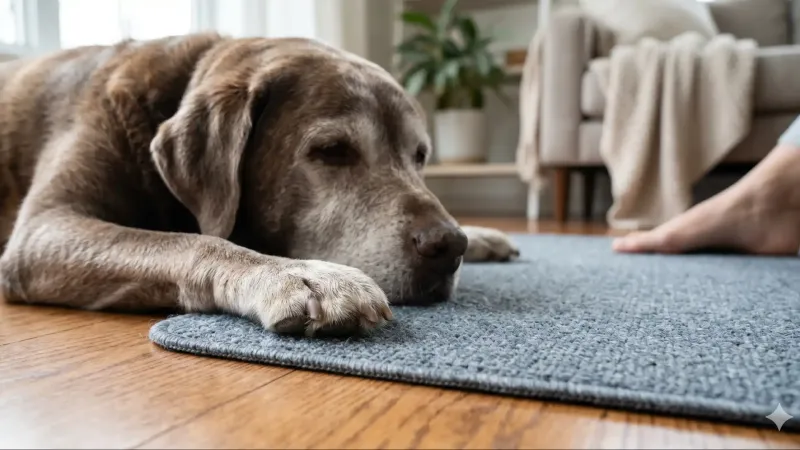
Photo: senior dog gray muzzle resting peacefully indoors, via cdn.shopify.com
There's something quietly profound about a senior pet. They've been there for your bad days and your best ones. They know your routines, your moods, your voice. And now, as they slow down a little and the fur around their face turns silver, it's your turn to show up for them in a bigger way.
If you're the owner of an aging dog or cat in New Haven, you might be noticing changes — stiffness after a nap, less enthusiasm for the morning walk, a little more pickiness at the food bowl. These shifts are normal, but they're also signals. Your pet's needs are evolving, and with the right support, their senior years can be genuinely wonderful ones.
Here's what you should know.
When Does a Pet Actually Become "Senior"?
This question trips up a lot of owners, because the answer isn't one-size-fits-all.
For dogs, size matters enormously. Small breeds (under 20 pounds) tend to age more slowly and might not be considered seniors until age 10 or 11. Medium breeds typically enter their senior phase around 8 or 9. Large and giant breeds — think Labrador Retrievers, German Shepherds, Great Danes — can be considered senior as early as 6 or 7 years old. Bigger bodies age faster, unfortunately.
For cats, the general consensus is that the senior phase begins around age 10 to 11, with cats over 15 often classified as "super senior" or geriatric. Indoor cats in particular can live well into their late teens and even early twenties with good care.
Knowing where your pet falls on this timeline helps you and your vet plan proactively rather than reactively.
The Case for More Frequent Vet Visits
If your healthy adult pet has been on a once-a-year wellness visit schedule, that rhythm needs to shift as they age. Most veterinary guidelines recommend twice-yearly checkups for senior pets — and there's a solid reason for that.
Pets age roughly five to seven times faster than humans. A lot can change in six months. Conditions like kidney disease, diabetes, hyperthyroidism (very common in older cats), dental disease, and heart issues often develop quietly before any obvious symptoms appear. Catching them early through routine bloodwork, urinalysis, and physical exams gives you and your vet far more treatment options — and usually a better outcome.
At New Haven Animal Care, senior wellness visits go beyond a basic checkup. We look at your pet holistically — their weight trends over time, joint health, cognitive function, dental condition, and any subtle behavioral changes you've noticed at home. Bring your observations. You know your pet better than anyone, and the things you notice day-to-day are genuinely valuable clinical information.
Nutrition: What Needs to Change (and What Doesn't)
Feeding a senior pet isn't dramatically different from feeding a younger one, but there are some important nuances.
Protein is still essential. There's an outdated belief that older pets need less protein to protect their kidneys. For most healthy senior dogs and cats, the opposite is actually true — adequate protein helps maintain muscle mass, which tends to decline with age. Unless your pet has a diagnosed kidney condition that requires protein restriction, don't cut back.
Watch the calories. Metabolism slows with age, and many senior pets gain weight more easily. Obesity in older animals is a serious problem — it worsens arthritis, strains the heart, and increases cancer risk. Work with your vet to assess your pet's body condition score and adjust portions accordingly.
Joint-supporting ingredients. Look for foods or supplements containing glucosamine and chondroitin, which support cartilage health. Omega-3 fatty acids (often from fish oil) have anti-inflammatory properties that can help with arthritis discomfort.
Hydration matters more. Older cats in particular are prone to kidney disease and chronic dehydration. If your cat is a dry food devotee, consider incorporating wet food or a pet water fountain to encourage drinking.
Digestive changes. Some seniors develop more sensitive stomachs or have trouble absorbing certain nutrients. If your pet is losing weight despite eating normally, that's worth a vet conversation — it could indicate hyperthyroidism, diabetes, or gastrointestinal issues.
Keeping Them Moving: Joint Health and Mobility
Arthritis is one of the most common conditions in senior pets, and it's frequently underdiagnosed because animals are so good at masking pain. Signs to watch for include:
- Reluctance to climb stairs or jump onto furniture
- Stiffness when getting up, especially after rest
- Lagging behind on walks that used to be easy
- Licking or chewing at a specific joint
- Personality changes — becoming more irritable or withdrawn
- Reduced grooming in cats (it hurts to twist around)
If you're seeing any of these, a vet visit is warranted. There are excellent options for managing arthritis pain, including prescription anti-inflammatories, joint supplements, laser therapy, and acupuncture — yes, veterinary acupuncture is a real and evidence-supported thing, and some clinics in the New Haven area offer it.
At home, you can make a meaningful difference with some simple adjustments:
- Orthopedic pet beds with memory foam support sore joints during sleep
- Ramps or steps to help pets access their favorite spots without jumping
- Non-slip rugs on hardwood floors, which can be treacherous for stiff legs
- Raised food and water bowls for dogs with neck or shoulder arthritis
- Gentle, consistent exercise — shorter, more frequent walks are often better than one long one
Mind Matters Too: Cognitive Health in Older Pets
Dementia isn't just a human condition. Dogs can develop Canine Cognitive Dysfunction (CCD), and cats have their own version too. Signs include disorientation, changes in sleep patterns (especially nighttime restlessness), forgetting house training, staring at walls, or seeming to "get lost" in familiar spaces.
If you notice these behaviors, mention them at your next visit. While there's no cure, management strategies — including specific diets, supplements like SAMe and medium-chain triglycerides, environmental enrichment, and in some cases medication — can slow progression and improve quality of life.
Mental stimulation helps too. Puzzle feeders, gentle training sessions, and social interaction keep aging minds sharper.
End-of-Life Planning: The Kindest Conversation
This part is hard. But it's also one of the most loving things you can do for your pet — think about end-of-life care before you're in a crisis.
Having a conversation with your vet about quality-of-life indicators, palliative care options, and euthanasia gives you time to make thoughtful decisions rather than agonizing ones in a moment of grief and panic. Questions worth asking:
- What symptoms would indicate my pet is no longer comfortable?
- What does palliative or hospice care look like for a pet?
- Do you offer in-home euthanasia, or can you recommend someone who does?
- What are my options for aftercare?
These conversations don't mean you're giving up. They mean you're committed to your pet's dignity and comfort all the way through.
Your Senior Pet Deserves Great Care Right Here in New Haven
The New Haven veterinary community genuinely cares about aging animals. Whether your companion is a 9-year-old Beagle who still thinks he's a puppy or a 16-year-old cat who rules the household from her heated bed, there are resources, specialists, and compassionate professionals here to support both of you.
At New Haven Animal Care, we believe the golden years should actually be golden — full of comfort, connection, and dignity. If your pet is entering this phase of life and you want a partner in navigating it, we'd love to be that for you. Give us a call and let's make a plan together.